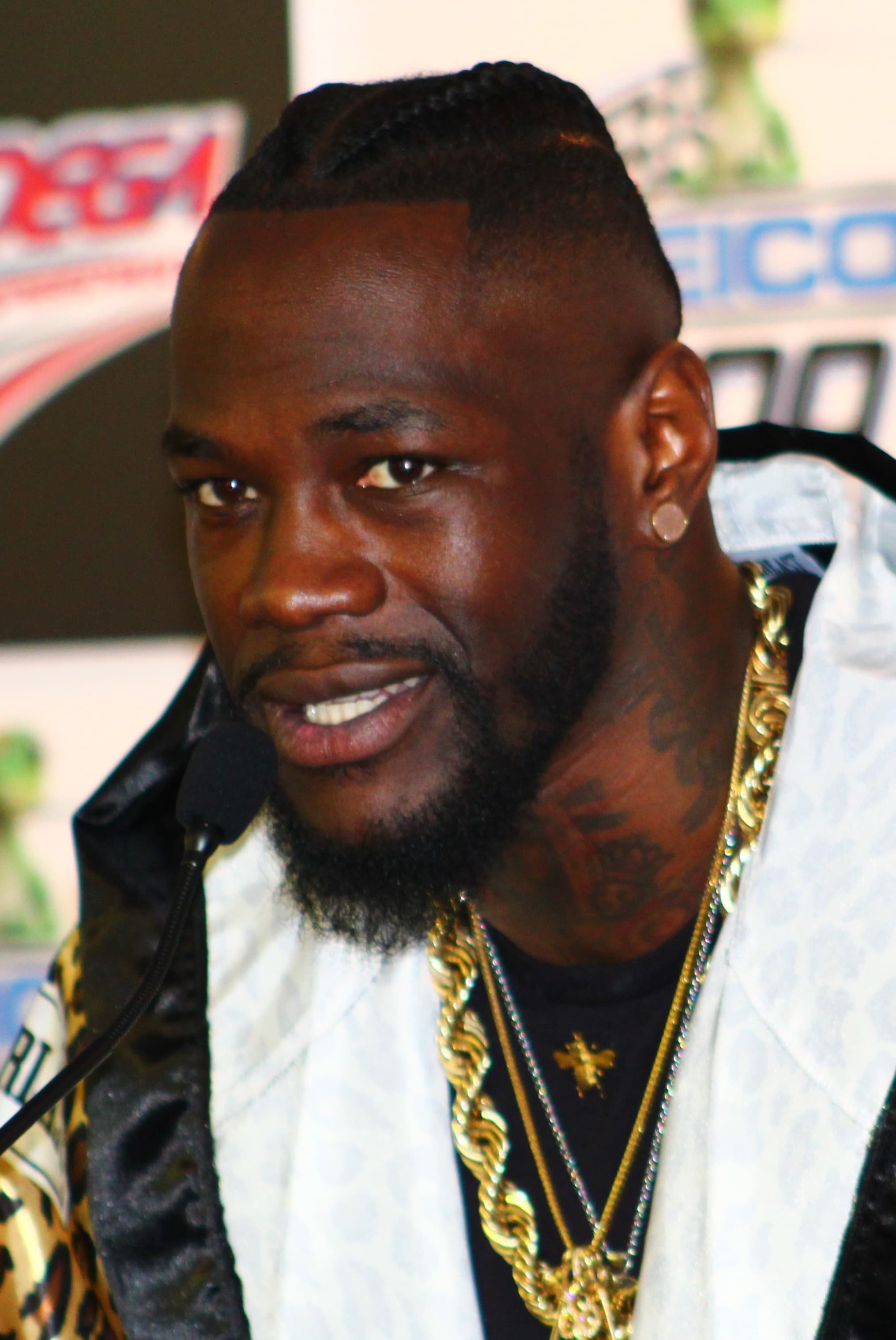
Deontay Wilder vs Tyrrell Herndon Results: TKO Breakdown, Fight Analysis, and Future Outlook
In a decisive comeback, former WBC heavyweight champion Deontay Wilder (44-4-1) stopped durable challenger Tyrrell Anthony Herndon (24-6-0) via seventh-round TKO at Charles Koch Arena on June 27, 2025. Fighting for the first time since back-to-back losses to Joseph Parker and Zhilei Zhang, Wilder showcased refined technique under new trainer Don House, systematically breaking down Herndon before referee Ray Corona halted the bout at 2:15 of Round 7. This analysis examines Wilder’s strategic evolution and the fight’s critical turning points.
Official Results
| Category | Details |
|---|---|
| Winner | Deontay Wilder |
| Method | TKO (Referee Stoppage) |
| Round | 7 |
| Time | 2:15 |
Fight Context and Pre-Fight Analysis
- Wilder’s Layoff: Entered the ring after a 13-month hiatus, having lost 4 of his previous 5 bouts.
- Physical Advantages: Wilder leveraged a 4-inch height and 3-inch reach advantage (83.1″ vs. Herndon’s unreported reach).
- Experience Gap: Wilder had 19 more professional fights and 79 additional rounds compared to Herndon.
- Mental Reset: Wilder emphasized psychological recovery and emotional rehabilitation during his absence.
Tactical Breakdown: Wilder’s Evolution
Strategic Shifts
- Jab-Centric Approach: Prioritized a persistent jab (landing 28% of jabs) to control distance, abandoning his previous reliance on single right hands.
- Left Hook Utilization: Dropped Herndon in Round 2 with a counter check hook – a weapon rarely seen in Wilder’s arsenal since 2020.
- Body-Head Combinations: Incorporated body shots (15% of total output) to slow Herndon’s movement before targeting the head.
Herndon’s Game Plan
- Early Body Work: Landed 42% of his punches to Wilder’s torso in Rounds 1-3 to offset Wilder’s reach.
- Defensive Caution: Focused on evading Wilder’s right hand, successfully dodging early power shots but offering minimal offensive output.
Round-by-Round Analysis: Critical Sequences
Rounds 1-2: Herndon started aggressively with body shots while Wilder measured distance with jabs. A flash knockdown in Round 2 – caused by a Wilder left hook – shifted momentum.
Rounds 3-4: Wilder’s jab dominance continued (landing 31 jabs in Round 3 alone). Herndon’s best moment came late in Round 4 with a counter left hook that backed Wilder up.
Round 6: Fatigue visibly affected Herndon’s movement. Wilder scored a legitimate knockdown via chopping rights, forcing Herndon’s glove to touch the canvas.
Round 7: Wilder unleashed 12 unanswered power punches, culminating in two fight-ending right hands that prompted the stoppage.
Key Takeaways: What the Fight Revealed
- Wilder’s Refined Arsenal: The 39-year-old demonstrated improved versatility, with 38% of landed punches coming from left-handed strikes.
- Herndon’s Durability Limits: Absorbed 86 power punches before succumbing – a testament to Wilder’s cumulative damage rather than one-punch power.
- Stance Limitations: Both orthodox fighters struggled to create angles, but Wilder’s superior ring-cutting trapped Herndon repeatedly after Round 4.
Performance Evaluation
Wilder’s Strengths
- Pace Management: Conserved energy early, escalating pressure after Round 4 as Herndon faded.
- Finishing Instinct: Capitalized on defensive lapses with 78% power punch accuracy in Rounds 6-7.
Herndon’s Weaknesses
- Offensive Inactivity: Landed only 48 total punches across 7 rounds.
- Defensive Rigidity: Failed to adapt to Wilder’s jab, absorbing 42% of Wilder’s power shots in clinches.
What’s Next? Career Trajectories
Deontay Wilder
- Short-Term: Plans a late-2025 fight outside the U.S. against mid-tier opposition (e.g., Derek Chisora or Charles Martin).
- High-Impact Matchups: A 2026 bout with Anthony Joshua remains viable if both win interim fights.
- Title Path: Must climb from #12 WBC ranking; Filip Hrgovic or Daniel Dubois could serve as eliminator opponents.
Tyrrell Herndon
- Regional-Level Fights: Likely faces gatekeepers like Tony Yoka or Carlos Takam to rebuild.
- Technical Development: Needs improved head movement and combination punching to compete at elite levels.
Post-Fight FAQs
Q: Who won Wilder vs Herndon and how?
A: Deontay Wilder won by 7th-round TKO (referee stoppage at 2:15).
Q: Did Wilder score knockdowns?
A: Yes – a flash knockdown in Round 2 and a legitimate knockdown in Round 6.
Q: How did Wilder perform compared to expectations?
A: Exceeded predictions by lasting 7 rounds; showcased improved jab work but lacked one-punch explosiveness.
Q: What was Herndon’s pre-fight record?
A: 24-5 with 15 KOs; on a three-fight win streak against unranked opponents.
Q: Will Wilder fight Anthony Joshua next?
A: Unlikely immediately; both need additional wins, with 2026 being the earliest realistic timeframe.
📊 Want to dive deeper into the action? Subscribe to our Boxing Data API to access full round-by-round punch stats, detailed analytics, and historical fight data.


Get Ringside Updates
Fight announcements, results, and analysis delivered to your inbox. No spam. Unsubscribe anytime.