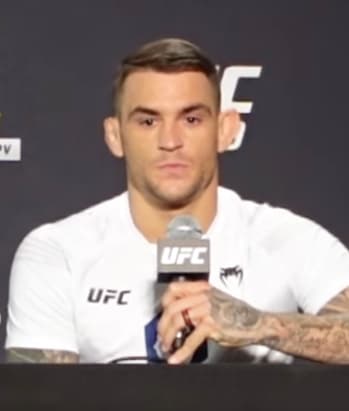
Why Dustin Poirier's Boxing Base Redefined Lightweight Striking
Dustin Poirier entered the UFC as a featherweight in 2011 with a straightforward pitch: clean boxing in a sport still figuring out its striking identity. Thirteen years later, his influence at lightweight is impossible to miss. While much of the division chased leg kicks and wrestling pressure, Poirier stuck to what he knew—tight combinations, pocket exchanges, and a jab that set up everything else. That commitment didn't just win him an interim title in 2019; it forced an entire weight class to adjust.
The shift starts with his jab. Poirier uses it like a range finder, not a throwaway. Against Max Holloway in their 2019 rematch, he pumped the jab to keep Holloway's volume at bay, then followed with right hands that landed flush when Holloway pressed forward. Against Conor McGregor in their second and third fights, the jab disrupted McGregor's counter-left timing, forcing him to reset repeatedly. It's textbook boxing—establish the lead hand, control distance, punish overcommitments—but rare in MMA, where fighters often abandon the jab under threat of takedowns or low kicks.
Poirier's pocket work separates him further. Most lightweights either sit at kicking range or shoot for takedowns when pressured. Poirier stands his ground and trades, rolling with punches and firing back in tight exchanges. His knockout of Justin Gaethje in 2018 came exactly this way: Gaethje walked him down, Poirier stayed planted, and a short right hand ended it in the fourth round. That willingness to fight inside—combined with an underrated chin—makes him a nightmare matchup for pressure fighters who expect opponents to circle away.
The blueprint influenced how the lightweight top ten approaches standup. Charles Oliveira added sharper boxing before his title run. Islam Makhachev's team studied Poirier's jab setups to counter them. Even younger fighters like Arman Tsarukyan have adopted tighter hand combinations rather than relying purely on kicks or wrestling entries. Poirier didn't invent these techniques, but he proved they work at the highest level of a grappling-heavy division—and that validation changed training camps across the weight class.
Now semi-retired and selective about fights, Poirier's legacy isn't just wins and losses. It's a stylistic fingerprint. He showed that disciplined boxing could thrive at 155 pounds without requiring a wrestler's base or a kickboxer's reach. The lightweights who followed learned the lesson: if you can't deal with a clean jab and committed power shots in close, you're not making it to a title fight. Poirier made sure of that.
Related Fighters & Stats


Get Ringside Updates
Fight announcements, results, and analysis delivered to your inbox. No spam. Unsubscribe anytime.